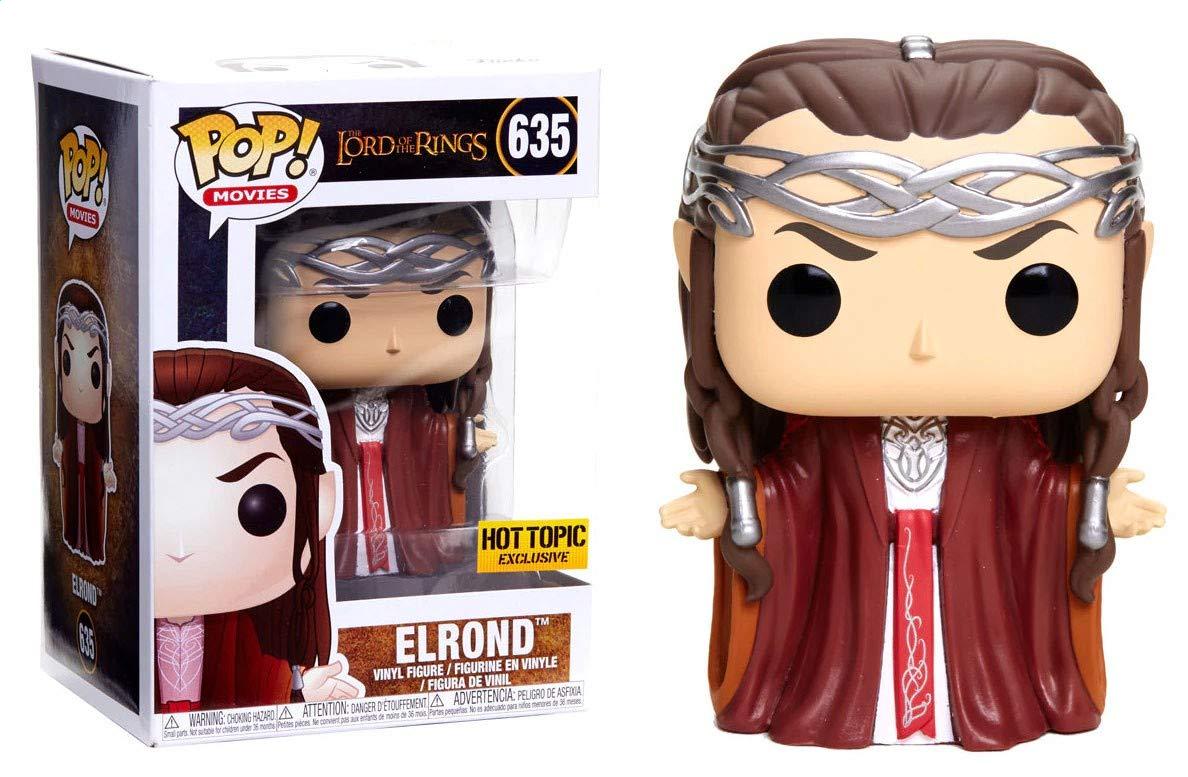
Elrond wallet: setup, security, and account basics
Elrond wallet Is a practical guide to setup, security, and account basics
Elrond wallet Is a crypto wallet used to create, access, and protect an account on the Elrond network, now commonly known through the MultiversX ecosystem. It lets a user hold EGLD, receive tokens, send transactions, connect to decentralized apps, and manage basic account activity. The important point is simple: an Elrond wallet controls access to funds through private keys or a recovery phrase, so setup, backups, address checks, and transaction review matter as much as the app interface.
Elrond wallet information can be confusing because the ecosystem has changed names, products have evolved, and older guides may use language that is no longer current. Many people still search for Elrond wallet when they mean a MultiversX wallet, an EGLD wallet, a browser extension, a web wallet, or a mobile app that supports the same account model. This guide uses the phrase Elrond wallet in that broad, user-search sense while encouraging readers to verify product names, supported networks, and security instructions with official sources before moving assets.
What is Elrond wallet?
Elrond wallet is best understood as an account access tool for a blockchain account rather than a bank account or a hosted exchange balance. The wallet software shows balances, builds transactions, and requests approvals, but the real authority comes from the private key or recovery phrase behind the account. If that secret is lost, the wallet provider usually cannot restore access. If that secret is exposed, someone else may be able to move the assets.
Elrond wallet can refer to several wallet formats. A browser extension may be convenient for decentralized app connections. A mobile wallet may be easier for daily account checks and QR code payments. A web interface may help users manage accounts from a desktop browser. A hardware wallet setup can keep signing keys isolated from the computer or phone. These options are not identical, but they share the same core responsibility: helping the user control an address safely.
The protocol uses accounts, addresses, transaction signatures, network fees, and token standards that are different from a traditional login system. An Elrond wallet does not normally ask a company to approve every transfer. Instead, the user signs a transaction with the wallet, the network validates it, and the result becomes part of the blockchain record. That design gives users direct control, but it also makes mistakes harder to reverse.
How does Elrond wallet work with EGLD and tokens?
Elrond wallet works by pairing a public address with private signing authority. The address is what other people or services use when sending assets. The private key, recovery phrase, keystore, or hardware device is what proves the user can authorize outgoing transactions. A wallet interface may look simple, but every send, stake, claim, swap, or app approval depends on that signing process.
Elrond wallet users most often care about EGLD, the native asset used for network fees and many ecosystem activities. Tokens built for the network can also appear in the wallet, depending on wallet support and token display settings. Sometimes a token is present on-chain but not visible in the interface until the user refreshes, imports a token, or checks a block explorer. A missing display is not always a lost asset, but it should be investigated carefully before taking action.
In practice, an Elrond wallet prepares transaction details such as recipient address, asset, amount, fee, and optional data. The user reviews the request and signs it only if it matches their intent. This review step is important because malicious websites can try to present confusing approvals. A careful user checks the address, network, amount, and action type before approving anything, especially when connecting the wallet to a decentralized application.
How do you set up an Elrond wallet?
Elrond wallet setup should start with the official source for the wallet type the user wants to use. Search ads, lookalike domains, unofficial downloads, and fake support pages are common risks across crypto. A new user should confirm the wallet name, publisher, and installation path before creating an account or importing an existing one. This is especially important for anyone moving assets from an exchange or another wallet.
Elrond wallet creation usually involves generating a new account and recording a recovery phrase, downloading a keystore file, setting a password, pairing a mobile app, or connecting a hardware wallet. The exact method depends on the product. The recovery material should be stored offline, away from screenshots, cloud notes, email drafts, shared drives, and messaging apps. A password protects the local wallet file or app, but the recovery phrase is usually the deeper backup.
Elrond wallet setup is safer when the first transaction is small. Sending a test amount helps confirm that the address, network, and wallet display are correct before transferring a larger balance. This is not a guarantee against every problem, but it reduces the chance of making a single large mistake. It also helps the user learn how confirmations, fees, and balance updates appear in the wallet.
Confirm the official wallet source and supported network before installing or connecting.
Create or import the account in a private environment, not on a shared device.
Back up the recovery phrase, keystore, or hardware wallet recovery details offline.
Send a small test transaction before moving a larger amount.
Keep enough EGLD available for future network fees when sending or interacting with apps.
For a deeper safety routine, a related can help users compare backups, device hygiene, approval habits, and recovery planning before they fund an account.
What can you use an Elrond wallet for?
Elrond wallet is used for the basic actions most people expect from a self-custody crypto wallet: receiving assets, sending assets, checking balances, and reviewing transaction history. For many users, that is enough. They want a place to hold EGLD and verify that transfers from an exchange or another account arrived correctly. A clear wallet interface makes those actions easier, but the user still needs to understand network selection and transaction finality.
Elrond wallet can also support staking and delegation workflows when the chosen wallet and ecosystem tools provide those features. Staking-related actions may include selecting a provider, delegating assets, claiming rewards, undelegating, or waiting through network-defined periods. These actions can involve smart contracts and changing protocol rules, so users should read current instructions and avoid assuming that screenshots from old guides still match the live interface.
Elrond wallet use can extend into decentralized finance, NFT marketplaces, games, identity tools, and other applications in the MultiversX ecosystem. Connecting to an app does not automatically mean funds leave the wallet, but signing a transaction or approval can create real consequences. Users should treat connection requests and signature prompts as meaningful actions. If a prompt is unclear, it is better to reject it and investigate than to approve under pressure.
Fees and transaction basics for Elrond wallet users
Elrond wallet transactions usually require a network fee paid in the native asset. Fees are not the same as exchange withdrawal fees, bridge fees, or service charges. A wallet may show the estimated network fee before signing, while an exchange may show a separate withdrawal cost. Understanding this difference helps users avoid surprise when moving assets between an exchange account, a self-custody wallet, and decentralized applications.
Elrond wallet users should keep a small amount of EGLD available for future activity. If the entire balance is sent, staked, or locked, there may not be enough remaining to pay for another transaction. This can be frustrating because the wallet may show a token balance while still being unable to move it without the native fee asset. A simple habit is to leave a modest fee buffer in the account.
Network status, app design, exchange maintenance, and bridge liquidity can affect the user experience. Sometimes a transfer appears delayed because an exchange has paused withdrawals. Sometimes a token does not display because the wallet needs a refresh or the token is not automatically recognized. Sometimes a cross-chain asset depends on a bridge or wrapped-token issuer. A page about can help users separate network costs from platform-specific charges.
Is Elrond wallet safe?
Elrond wallet safety depends on both the underlying wallet software and the user's operational habits. A reputable wallet from an official source can still be misused if the recovery phrase is typed into a fake website, stored in an exposed cloud account, or shared with someone claiming to provide support. Self-custody gives the user control, but it also moves many security responsibilities from a company to the person holding the keys.
Elrond wallet users should be especially cautious about direct messages, fake support accounts, urgent verification requests, token airdrops, and websites that ask users to sync or validate a wallet by entering a recovery phrase. Legitimate support should not need the secret recovery phrase or private key. A support impersonator may sound helpful, but the request for secret recovery material is the warning sign.
Another common risk is unwanted or suspicious tokens appearing in a wallet. Elrond wallet users should not assume every unexpected token is valuable or harmless. Across crypto networks, spam tokens can be used to lure users into visiting scam sites or signing unsafe approvals. The safest response is usually to ignore unknown assets, avoid interacting with suspicious links, and verify token details through trusted sources before doing anything.
Hardware wallets can improve security for users with meaningful balances because the signing key remains on a separate device. An Elrond wallet connected to a hardware device may still show balances and build transactions on a computer, but the final approval happens on the hardware device. This does not remove every risk, because users can still approve the wrong transaction, but it reduces exposure from malware and browser compromise.
Elrond wallet versus exchange custody
Elrond wallet self-custody is different from holding EGLD or related assets on a centralized exchange. With an exchange, the platform manages the wallet infrastructure and the user accesses a balance through a login. That can be convenient for buying, selling, and customer account recovery, but withdrawals may depend on exchange policies, maintenance windows, supported networks, and identity controls.
Elrond wallet ownership gives the user direct control of the address and on-chain activity. The user can receive assets from different sources, connect to ecosystem applications, and manage funds without waiting for an exchange interface to support every feature. The tradeoff is that recovery, security, and transaction accuracy become the user's responsibility. Sending to the wrong address, using an unsupported network, or losing recovery material can create serious losses.
For a new user, the choice is not always all or nothing. Some people keep a small learning balance in an Elrond wallet while leaving trading funds on an exchange. Others move long-term holdings to a hardware-backed account. The right structure depends on experience, risk tolerance, jurisdiction, and purpose. This article is informational only and should not be treated as financial, tax, or legal advice.
Feature
Self-custody Elrond wallet
Exchange account
Control
User controls keys and transactions
Platform controls custody infrastructure
Recovery
Depends on user's backup
May include account recovery procedures
App access
Can connect to supported decentralized apps
Usually limited to exchange features
Main risk
Lost keys, scams, wrong transactions
Platform restrictions, outages, withdrawal limits
How to avoid common Elrond wallet mistakes
Elrond wallet mistakes often happen at the boundary between networks, addresses, and interfaces. A user may copy the correct address but choose the wrong withdrawal network on an exchange. Another user may receive a token but fail to see it because the display settings are incomplete. Someone else may mistake a fake website for a real wallet portal. These are practical problems, not abstract blockchain theory.
Elrond wallet users should slow down when bridging assets or handling wrapped tokens. Cross-chain transfers can involve bridges, liquidity providers, smart contracts, and token representations that are not the same as native assets. If a bridge, issuer, or route has a problem, the wallet interface may not be able to solve it. Before bridging, users should confirm current support, risks, fees, expected arrival format, and whether the destination wallet can display the resulting asset.
A sound Elrond wallet routine includes copying addresses carefully, using address books only after verification, checking the first and last characters of an address, and avoiding rushed approvals. Browser extensions should be locked when not in use. Old connected sites and approvals should be reviewed when the wallet provides tools for doing so. Device updates, malware scanning, and separate browser profiles can also reduce everyday risk.
What should beginners know before funding an Elrond wallet?
Elrond wallet beginners should understand that the first goal is not to chase every feature. The first goal is to prove that the wallet is genuine, the backup works, the address is correct, and the user can recognize normal transaction prompts. A small initial balance is enough to learn how the interface behaves. Larger balances should wait until the user is comfortable with sending, receiving, and restoring access in a controlled way.
Elrond wallet education should include recovery planning. If a phone is lost, a laptop fails, or a browser profile is erased, the user needs a path back to the account. That path must be private, durable, and understandable months later. A handwritten backup stored securely may be better than a clever digital storage method that can be hacked, synced, deleted, or forgotten.
Elrond wallet users should also remember that public blockchains are transparent. Addresses, balances, and transaction histories may be visible to anyone who knows the address. That does not mean a person's real-world identity is automatically exposed, but privacy can weaken when addresses are reused, shared publicly, or connected to exchange withdrawals and app activity. Users who care about privacy should learn how address behavior affects traceability.
Closing perspective on Elrond wallet use
Elrond wallet is useful because it gives people direct access to the MultiversX account experience: holding EGLD, receiving tokens, paying network fees, using supported apps, and managing transactions from a personal address. It is also demanding because direct access comes with direct responsibility. The same wallet action that makes self-custody powerful can make a careless approval costly.
Elrond wallet use becomes easier when the user treats every step as verifiable. Check the official wallet source. Confirm the address and network. Keep recovery material offline. Test before sending more. Leave enough EGLD for fees. Ignore suspicious tokens and messages. Review transaction prompts before signing. None of these habits promise perfect safety, but together they create a much stronger baseline for anyone learning how to use an Elrond wallet responsibly.
Reader rating:
4.5 / 5
based on 706 ratings
Questions and Answers
What is an Elrond wallet used for?
An Elrond wallet is used to access a blockchain account associated with the Elrond or MultiversX ecosystem. It can hold EGLD, receive tokens, send transactions, connect to supported decentralized applications, and show account activity. The wallet interface helps manage the account, but control depends on private keys, a recovery phrase, a keystore, or a hardware wallet setup.
Is Elrond wallet the same as a MultiversX wallet?
Many people use Elrond wallet as an older or search-friendly name for wallets that now relate to the MultiversX ecosystem. Elrond rebranding and product changes mean older guides may use different terms. Before installing or transferring funds, users should verify the current wallet name, supported network, official source, and instructions through trusted official channels.
How do I set up an Elrond wallet safely?
Start from the official wallet source, create or import the account in a private environment, and store recovery material offline. Do not save the recovery phrase in screenshots, cloud notes, email, or chat apps. After setup, send a small test transaction before moving a larger amount, and keep enough EGLD in the wallet to pay future network fees.
Can an Elrond wallet recover lost funds?
An Elrond wallet usually cannot reverse a completed blockchain transaction or recover funds if the recovery phrase is lost. If the issue is only a display problem, such as a token not appearing in the interface, the assets may still exist on-chain. Users should verify the address and transaction history carefully, but avoid entering recovery phrases into websites or support forms.
Why do unknown tokens appear in a wallet?
Unknown tokens can appear because blockchains are public and anyone may be able to send assets to an address. Some are harmless spam, while others are designed to lure users into visiting scam sites or signing risky transactions. The safer approach is to ignore suspicious tokens, avoid related links, and verify details before interacting with any unexpected asset.
Do I need EGLD for Elrond wallet transactions?
Yes, wallet activity on the network generally requires the native asset for transaction fees. A user may see tokens in the account but still need EGLD to move them, stake, claim, or interact with apps. Fees are separate from exchange withdrawal charges or bridge costs, so users should review each transaction estimate before approving it.
Is a hardware wallet better for an Elrond wallet?
A hardware wallet can improve security because private signing keys stay on a separate device instead of being stored directly on a computer or phone. It is useful for larger balances or long-term storage. However, it does not remove the need to review addresses, amounts, and app permissions, because a user can still approve a bad transaction.
Did a Brazilian Woman Pray to a Toy of Elrond instead of to God? A Response to Benjamin L. Corey
2017-01-11T16:15:08-04:00
David Russell Mosley
David Russell Mosley
Description
Oberzell, Ortschaft Taldorf, Stadt Ravensburg
Kirche zur Schmerzhaften Muttergottes Antonius-Figur des 19. Jahrhunderts
Date August 2008
Source Own work (own photograph)
Author Photo: Andreas Praefcke
Ordinary Time
11 January 2017
The Edge of Elfland
Hudson, New Hampshire
Dear Readers,
You’ve almost certainly seen it, an article, like this
one
, which declares that a Brazilian woman has unintentionally been praying to a small figurine of Elrond from
The Lord of the Rings
. Maybe you laughed, I did a little. Maybe you made good-hearted jokes about St. Elrond and wondered whether St. Frodo existed, as some of my friends did. It was a bit funny and quite adorable. You see, the Brazilian woman in question believed the figurine to be one of St. Anthony, and so she used it as an aid when she prayed to St. Anthony. All good and fun, especially for those who understood that this woman was not praying
to
the toy but was praying to the saint she believed the toy represented.
When the article first broke I didn’t share it. Mostly because I wouldn’t have been able to keep myself from being a killjoy and pointing just what I have done, that the woman was not praying to the “statue.” Once you make that explicit, it becomes less funny. Sure, a person praying to Elrond, thinking him a saint in the Church would be a bit funny (and a bit sad), but that’s not what was going on here. Still, she was praying to a saint and I know that many of my fellow protestants would take issue with that alone. In fact, one fellow protestant, and fellow Patheos (though on a different channel) blogger, did take issue.
Dr. Corey wrote an article yesterday which he entitled, “
When Bad Theology Tricks You Into Praying To A Toy (Should We Pray To Saints?)
.” The title alone shows that Dr. Corey fell prey to the same mistake all the secular outlets did. He acts as though this woman was praying
to
the toy, when she was praying to the saint she believed the toy to represent. This leads Corey to go on a diatribe against the practice of praying to saints. He even writes in his conclusion, “This is precisely what we see in this tragic story of the woman who spent years praying to a plastic toy from a movie. She could have spent all that time praying to God, just like Jesus instructed his followers to do.”
You see, Corey sees praying to saints as serving in place of praying to God. He even likens it (in a rather bad analogy) to calling to some guy you once knew in DC rather than call the president directly (if that were on offer to you). Of course, praying to saints doesn’t function this way at all. Rather than being like calling some guy you once knew in DC, praying to a saint would be more like calling the president’s Chief of Staff to ask the president a question. Even this analogy is incomplete, for praying to saints (which is in fact primarily asking saints to pray for you) is not something you do in place of praying to God. It can become that, in which case it becomes idolatry, but to suggest it is that by nature would be akin to suggesting that you can either love God or love your wife but you cannot love both. Instead, of course, in a proper relationship you love God by means of your love for your spouse. It isn’t an either/or.
Now, I know that many of my fellow protestants will not be convinced by this, and frankly, unless we’re willing to admit tradition is or at least can be a source of authority, I’m not sure we can ever fully come to terms with issues like this one. But, let me say a few things in its defense, especially against charges laid out by Dr. Corey.
First, Dr. Corey notes that praying to saints came into the church in the 3
rd
century along with other crazy ideas. As an example he notes that all Christians prior to the third century were pacifists. Of course, he provides no citations for this.
He also ignores the fact that for many of the earliest Christians going to church meant going to the catacombs where other dead Christians were buried
. But even if it were explicitly true that we had no evidence of Christians praying to departed Christians prior to the 3
rd
century this would still be an argument from silence (
which it isn’t
). You would still need to explain why Christians started praying to saints in the 3
rd
century when they hadn’t done so prior.
Dr. Corey also, in a strange twist (since he talks about himself as being a former fundamentalist) notes that the Bible nowhere enjoins us to pray to saints and the closest it gets to talking about the issue tells us not to talk to dead people. Interestingly, perhaps the only example of this is when Saul has the witch of Endor call up the spirit of Samuel. In this instance, the practice may have been wrong, but it certainly seems to have worked and Samuel appears to really talk to Saul. Also, Dr.Corey seems to miss the point that the problem was looking to the dead in order to divine future events, not asking holy people to pray for us.
Now, Dr. Corey’s biggest complaint is that this is a practice where you pray to someone else instead of praying to God. As I have noted, the practice is primarily to ask the holy departed to pray to God on our behalf. This practice cannot be suspect. As James writes in James 5.16 “The prayer of the righteous is powerful and effective.” Sure, this passage is in the context of healing and confessing sins, but the broader point is this: it is good and right to ask others to pray for you. What’s more, there appears to be the suggestion that some people’s prayer, due to their righteousness or holiness, is more effective than others. Does this passage enjoin us to ask dead Christians to pray for us: no. Does this passage enjoin us to ask others to pray for us: yes. Then, of course, there is the great cloud of witnesses referenced in Hebrews 12. Really, Dr. Corey needs to answer the question of what happens to departed Christians before he can determine whether or not, by the grace of God, they are capable of praying for us (the way even the rich man desired to pray for his brothers in the parable of the Rich man and Lazarus).
There are other things I could say, other points Dr. Corey has made I could attempt to refute. But here is the final point I want to make: If you disagree with the practice of praying to saints, you need to understand precisely what that practice really is, what its origins are, and why you disagree with it. It seems to me that Dr. Corey has not given the time necessary to actually understand what this practice is or why it shouldn’t be practiced. Disagree, by all means, but don’t be like the atheists who argue against a god’s existence that even you don’t believe in.
We and our
342
partners store and access personal data, like browsing data or unique identifiers, on your device. Selecting I Accept enables tracking technologies to support the purposes shown under we and our partners process data to provide. Selecting Reject All or withdrawing your consent will disable them. If trackers are disabled, some content and ads you see may not be as relevant to you. You can resurface this menu to change your choices or withdraw consent at any time by clicking the Manage Preferences link on the bottom of the webpage [or the floating icon on the bottom-left of the webpage, if applicable]. Your choices will have effect within our Website. For more details, refer to our Privacy Policy.
We and our partners process data to provide:
Use precise geolocation data. Actively scan device characteristics for identification. Store and/or access information on a device. Personalised advertising and content, advertising and content measurement, audience research and services development.